

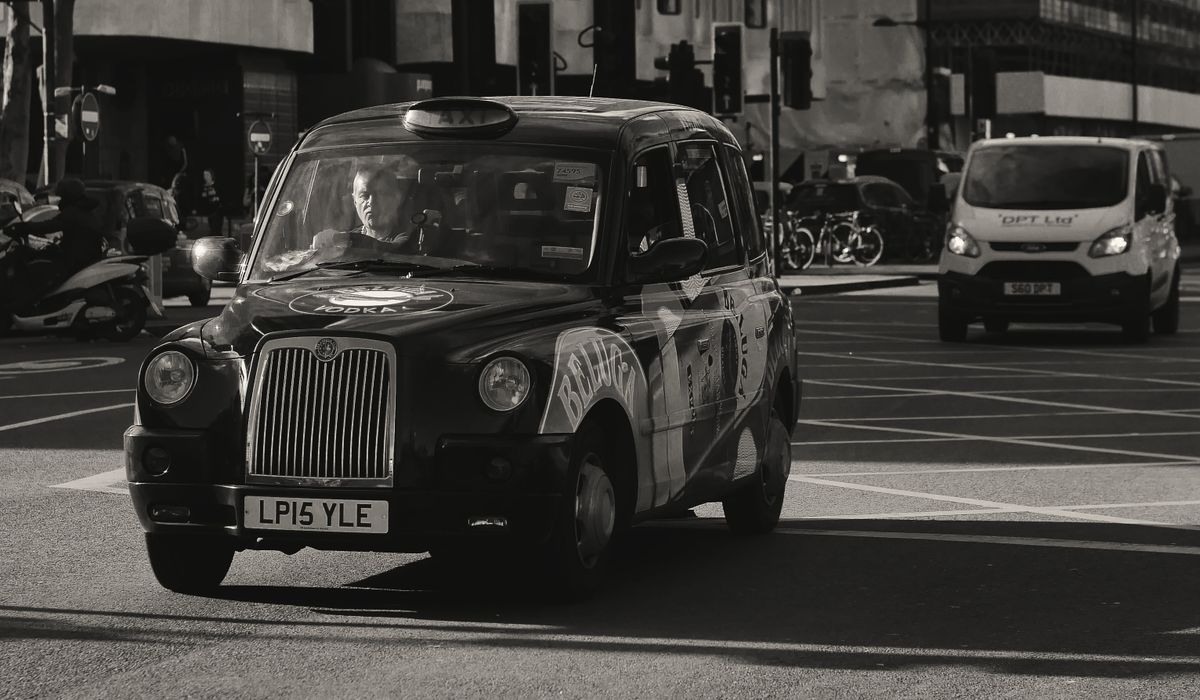
Buying a car in London is a different beast to buying one almost anywhere else in the UK. Between the Ultra Low Emission Zone, congestion charging, parking permits that vary from borough to borough, and traffic that will test any clutch, the questions you ask at a dealership matter more than most buyers realise. Walk in prepared and you will leave with a car that suits your life, not just one that looked good under the forecourt lights.
Start with servicing and running costs
Before you fall for a shape or a colour, get the practicalities out of the way. Ask to see the full service history, not just a stamp in the book. A stamped book is a good start, but you want invoices that show what was actually done and when. Gaps of more than 12 months or several thousand miles beyond the recommended interval are a warning sign, particularly on cars that have spent their life crawling through Zone 1 traffic.
Then ask the questions that hit your wallet every month:
- What is the real-world fuel economy in city driving? Manufacturer figures are tested on a rolling road, not the North Circular at 8am.
- When is the next major service due, and what will it cost? Timing belts, clutches, and DSG gearbox services can run into four figures.
- Does the car meet ULEZ and, if relevant, the expanded London standards? Most petrol cars from 2006 and diesels from 2015 comply, but check the specific registration rather than assuming.
- What is the road tax band? Older cars can be far more expensive to tax than you expect.
A good salesperson will answer these without flinching. If they dodge or disappear to "check with the manager", take that as information too.
Pin down the warranty, line by line
"Comes with a warranty" means almost nothing until you know the details. Ask what type it is, how long it lasts, and exactly what is excluded. Most used-car warranties are mechanical breakdown policies rather than extensions of the manufacturer's cover, and the difference matters.
- Is it a manufacturer warranty, a dealer warranty, or a third-party insurance-backed policy?
- What is the claim limit, and is there an excess per claim?
- Are wear-and-tear items like clutches, brakes, and suspension bushes covered? Usually not, but you should hear it from them.
- Can you use any VAT-registered garage, or must you return to them? If you live in Croydon and the dealer is in Barnet, this matters.
- Does the warranty transfer if you sell the car on?
Get the warranty terms in writing before you sign anything. Verbal reassurance is worth exactly as much as the paper it is not written on.
Ask about previous owners and the car's history
London cars often have short, urban lives with multiple keepers. That is not automatically bad, but you deserve the full picture. Ask how many previous owners there have been, how long the last one kept it, and whether it was a private car, a lease, or an ex-fleet vehicle. Ex-fleet cars can be well maintained but hard-used; privately owned cars can be cosseted or neglected.
Then ask the checks that protect you:
- Is there an HPI or equivalent history check showing no outstanding finance, theft, or insurance write-off markers?
- Has the car ever been in an accident, and if so, what was repaired?
- Are there two keys? A missing second key can cost £200 or more to replace on modern cars.
- Has it been registered for the Congestion Charge or any borough parking permit? Outstanding penalties can follow the car.
If the car has a private plate, ask whether it stays with the vehicle or reverts to an age-related registration, and who pays the transfer fee.
Plan a test drive route that tells you something
Five minutes around the block proves nothing. Ask whether you can take the car on a route that includes the conditions you actually drive in. A good dealership will agree; a reluctant one tells you plenty.
A useful London test drive should include:
- Slow crawling in traffic to check the clutch, gearbox, and whether the car judders or stalls.
- A stretch of 40mph or 50mph road to feel for wheel vibration, pulling, or steering wobble.
- Speed bumps and poor surfaces to listen for suspension knocks and rattles.
- A tight parking manoeuvre to test visibility, turning circle, and the reversing camera or sensors.
- A cold start if possible, since many faults only appear before the engine warms up.
Ask them not to have the car warmed up before you arrive. A cold start reveals more than a hot one ever will.
Clarify paperwork, deposits, and your rights
Finally, ask what the on-the-road price actually includes. Administration fees, delivery charges, and temporary insurance can add hundreds to the advertised figure. Ask whether the price is fixed or negotiable, what deposit is required, and whether it is refundable if the car fails an independent inspection.
Under the Consumer Rights Act 2015, a car bought from a dealer must be of satisfactory quality, fit for purpose, and as described. Ask them to confirm this in writing along with the mileage, registration, and any agreed repairs before collection. If they agree to fix a kerbed alloy or replace a worn tyre, get it listed on the order form.
Take your time, ask the awkward questions, and do not let a shiny bonnet rush you. The right car for London is out there, and a well-prepared buyer is far less likely to end up paying for someone else's shortcuts.





John Doe
14 January, 2022Having no content in post should have adverse..
Chauffina Carr
10 April, 2022We use these tests all time! Killer stuff!
Jim Séchen
16 July, 2022Thanks for all the comments, everyone!