

Start with the range you genuinely need
Every electric car advert leads with a big range number, and that number is measured on a rolling road in mild weather with the heating off. Real London life is different. Stop-start traffic and regenerative braking actually flatter an electric car around town, so you'll often beat the official figure on a slow crawl down the Wandsworth Road. Cold January mornings, a heater set to 21 degrees and a motorway run out to the coast will do the opposite.
So ask yourself an honest question: how often do I drive more than 100 miles in a single day? For most people inside the M25, the answer is a handful of times a year. If that's you, a car with 150 to 200 miles of real-world range will cover a fortnight of local trips comfortably, and you'll save thousands compared with a long-range model. Bigger batteries add weight, cost and often a larger body — three things that work against you in the city.
Be honest about the exceptions too. If you drive to Manchester twice a month for family, buy for that trip or plan to hire a car for it. Don't buy a large battery you'll only need in theory.
Charging is the decision that matters most
Before you compare a single specification, work out where the car will actually charge. If you have a driveway or garage, a 7kW home wallbox adds roughly 25 to 30 miles of range an hour, which means you wake up full every morning and rarely think about charging again. That single fact makes electric ownership easy.
If you park on the street, the picture is more complicated. On-street charge points are spreading across boroughs, some councils offer residents' permits for them, and a few areas have lamppost charging. Check what's within a five-minute walk of your front door before you commit. This is not a detail — it's the foundation of the whole decision.
Rapid charging speed matters far less than people expect. A car that peaks at 50kW and one that peaks at 150kW will both get you home from a supermarket trip without a second thought. Rapid charging speed only counts on long journeys, and even then the charging curve tapers as the battery fills, so the headline figure is rarely what you get in practice. Don't pay a premium for it if you rarely leave London.
Two practical points worth checking on any car you shortlist:
- Whether a home charging cable is included, or sold separately.
- Whether the car can schedule charging overnight, which is cheaper and gentler on the battery.
Size, width and the reality of London parking
Most London parking bays are around five metres long and about 2.4 metres wide, but the bays you'll actually use — outside a terraced house, in a cramped station car park — are tighter than that. As a rule of thumb, anything under 4.3 metres long and 1.8 metres wide feels easy here. Width causes more stress than length, particularly on streets where cars park on both sides and you're threading between them.
Check the turning circle, because three-point turns on narrow residential roads are a daily event. Sit in the driver's seat and look at the door mirrors, the rear window and the pillars — some stylish designs have appalling rear visibility. Long doors that swing wide are awkward in tight bays. A short bonnet and a tall seating position make a small car far easier to place than the dimensions suggest.
Boot space and everyday usefulness
The litre figure on a brochure tells you very little. What matters is the shape. Batteries mounted under the floor usually give a flat load bay and a useful square boot, but watch for a high lip you have to lift the shopping over, and check that the rear seats fold genuinely flat rather than leaving a step.
Look for underfloor storage where a spare wheel would once have lived — it's ideal for charging cables and keeps them out of the way. Some cars offer a small front compartment too, which is a handy second home for cables or a wet umbrella. Then test it properly: bring your weekly shop, a buggy or a set of golf clubs to the test drive and see whether they fit without a fight.
Running costs, tax and London charges
Electric cars are cheap to run but not free. Servicing is simpler — no oil changes, no exhaust, fewer moving parts — though you'll still pay for brake fluid, cabin filters and coolant. Regenerative braking means brake pads last far longer than on a petrol car. Tyres, on the other hand, wear faster because of the weight and the instant torque, so budget for that.
Insurance premiums for electric cars are often higher than equivalent petrol models, so get quotes before you buy rather than after. Electric vehicles are no longer exempt from vehicle tax, so budget for the standard rate. Congestion Charge cleaner vehicle discounts have been narrowed in recent years, so check the current rules rather than relying on what a friend told you.
What to check on the test drive
Drive it on your own streets, not a dual carriageway chosen by the dealer. Park it in a bay you know is awkward. Do a three-point turn. Sit in traffic with the heater on and watch how quickly the range estimate falls. Try the touchscreen while moving and see whether the climate controls are buried in a menu — physical buttons are safer and less annoying.
- Confirm what cables come with the car and what they cost if not.
- Check the warranty terms on the battery separately from the rest of the car.
- Ask how much a replacement set of tyres costs.
- Check the boot with your own shopping and bags.
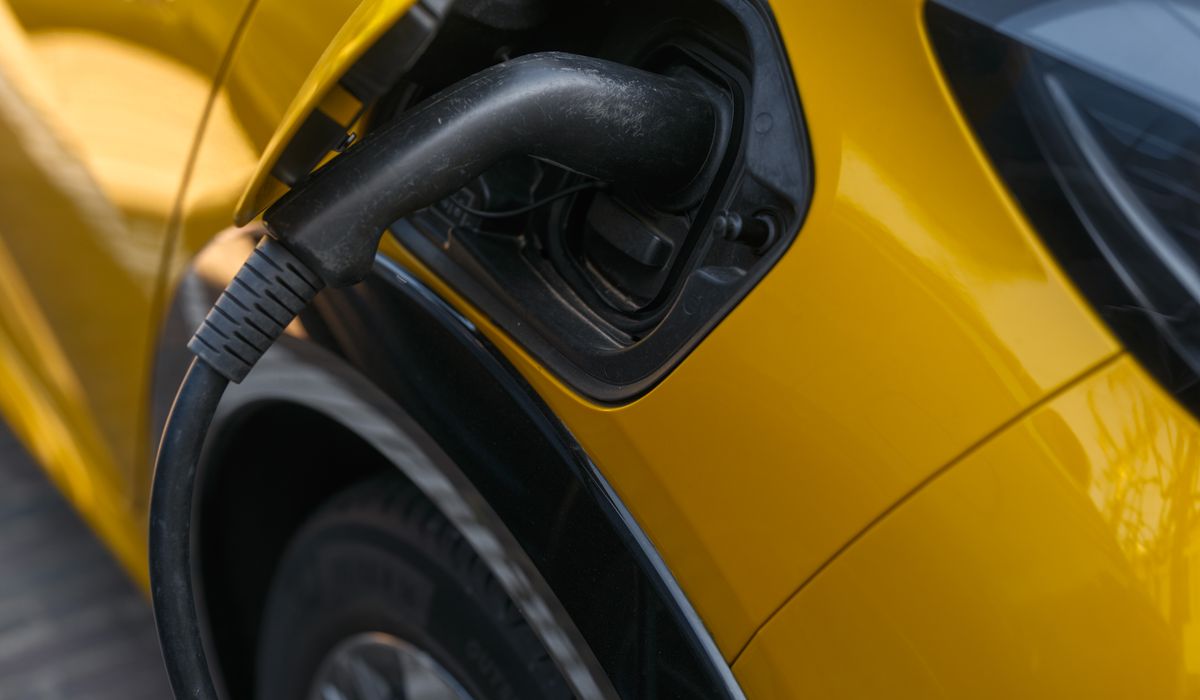
- Look at the charging port position — a rear quarter panel is easier on a street than a front wing.
Get those five things right and city electric driving becomes genuinely effortless. Get them wrong and you'll spend every week managing a car that doesn't quite fit your life.






John Doe
14 January, 2022Having no content in post should have adverse..
Chauffina Carr
10 April, 2022We use these tests all time! Killer stuff!
Jim Séchen
16 July, 2022Thanks for all the comments, everyone!