

Driving in central London is a bit like playing chess on a board that keeps moving. The traffic, the roadworks, the cyclists, the pedestrians who step out without looking – it's a lot to handle. But with a little preparation and a few local tricks, you can cut your journey time, reduce stress, and even enjoy the odd glimpse of the capital's architecture. Whether you're a seasoned Londoner or visiting from elsewhere in the UK, these tips will help you keep moving.
Time your journey to avoid the worst of the rush
Peak hours in central London are brutal. Between 7am and 10am, and again from 4pm to 7pm, the main arteries – the Embankment, Oxford Street, Piccadilly, the Strand – crawl. If you can shift your trip by just an hour, you'll notice a huge difference. Mid-morning (10.30am to noon) and early afternoon (1.30pm to 3.30pm) are usually calmer. Friday afternoons are particularly bad, as everyone tries to escape for the weekend. Weekends are quieter, but Saturday shopping hours (11am to 5pm) can still be heavy around the West End.
- Best times: before 7am, 10am–noon, 2pm–3.30pm.
- Worst times: 7.30am–9.30am, 4.30pm–6.30pm, Friday 3pm–7pm.
- Watch out for: school terms, bank holidays, and major events at large venues, which cause knock-on effects across the centre.
Choose a route that avoids the busiest corridors
Most sat-navs will send you straight down the most obvious roads, which are also the most congested. Instead, look for parallel streets that run just one block over. Be aware that many are one-way or blocked by low-traffic neighbourhood schemes. These zones restrict through-traffic to keep residential streets quiet, but they can trap drivers who don't know the area. Before you set off, zoom in on your route and check for signs like "No Motor Vehicles" or "Access Only".
Also, factor in the river. Crossing at Blackfriars, Waterloo, or Westminster bridges is often easier than trying to get across at Tower Bridge or London Bridge during peak times. And if you're heading north-south, consider using the perimeter route rather than cutting straight through the middle.
Check live traffic updates before and during your trip
Never rely on a route you planned the night before. London's traffic changes by the minute. Before you leave, spend two minutes checking a live traffic feed – most navigation apps have one, and local radio stations broadcast updates every 15 minutes. Look for accidents, roadworks, and temporary closures. The congestion charge zone and the Ultra Low Emission Zone (ULEZ) also have cameras, so make sure you know whether your route takes you inside them.
Once you're on the road, keep your navigation app running with voice guidance so you can be rerouted around jams. If you don't have a passenger to help, pull over safely to check your phone – never do it at the wheel.
Understand the charges and restrictions
Driving in central London isn't just about traffic; it's about cost. The congestion charge applies between 7am and 6pm Monday to Friday, and 12pm to 6pm on weekends and bank holidays. The ULEZ operates 24/7 and covers a much larger area. If your car doesn't meet the emissions standards, you'll pay a daily fee. Before you buy a car for London use, check its ULEZ compliance – a small petrol or a hybrid is usually fine, but older diesels are not. Parking is another minefield: many boroughs have resident-only zones, and parking wardens are quick. Use a car park on the fringe and walk or take public transport for the last mile.
Maintain your car for stop-start city driving
Central London driving is hard on your car. Constant braking and accelerating wears out brake pads and discs faster than motorway miles. Your battery works harder because of frequent starts, and your clutch (if you have a manual) takes a beating. To keep your car healthy:
- Check brake fluid and pads every six months.
- Get the battery tested annually – short trips don't fully recharge it.
- Keep tyres properly inflated to improve fuel economy and handling on uneven roads.
- Use the handbrake at long lights to rest your clutch foot.
- Wash your car regularly – London's grime and salt can corrode paint and undercarriage.
If you're buying a car specifically for London, think small. A compact hatchback or a hybrid is easier to park, cheaper to run, and more likely to be ULEZ-compliant. An automatic gearbox will save your left leg in traffic. Avoid large SUVs unless you genuinely need the space – they're a nightmare in narrow streets and multi-storey car parks.
Know when to leave the car behind
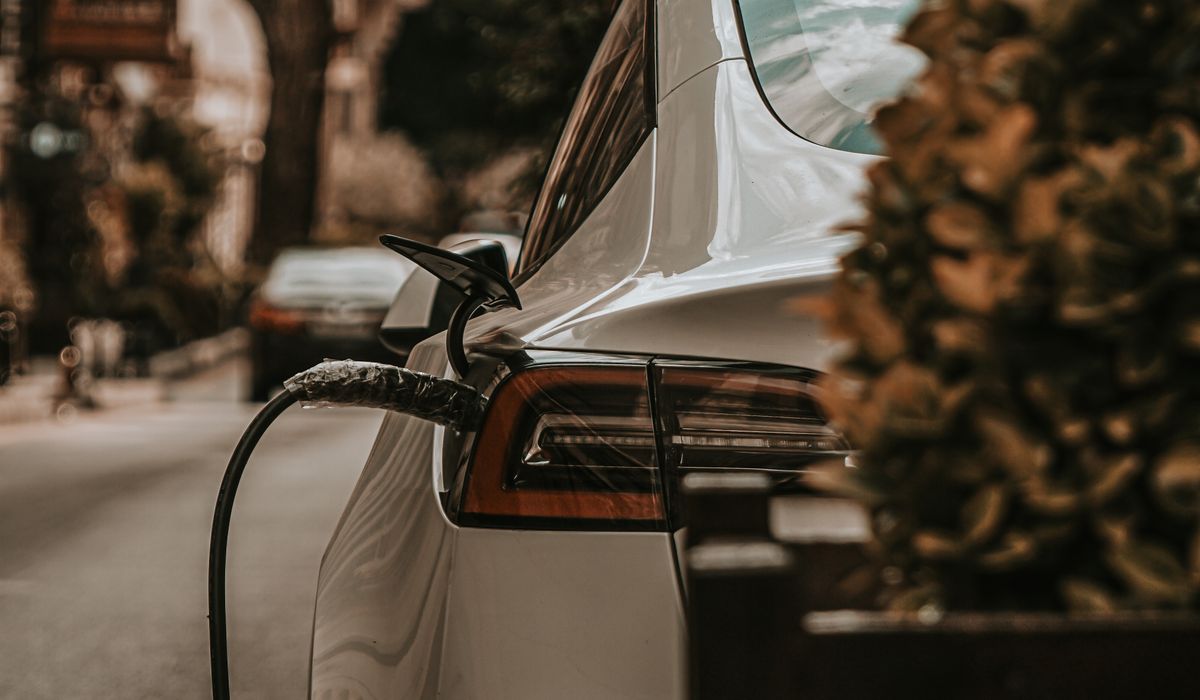
Sometimes the smartest driving tip is not to drive at all. For short trips within Zone 1, walking or cycling is often faster. For longer journeys, park at a suburban station and take a train or Tube in. Many outer London stations have cheap all-day parking, and you'll avoid the congestion charge, the ULEZ fee, and the stress. If you must drive, consider going electric: many boroughs offer discounted parking and charging for EVs, and you'll sail past the ULEZ charges.
Above all, be patient. Central London rewards those who plan ahead and stay calm. Give yourself extra time, keep your cool, and you'll arrive with your sanity intact.



John Doe
14 January, 2022Having no content in post should have adverse..
Chauffina Carr
10 April, 2022We use these tests all time! Killer stuff!
Jim Séchen
16 July, 2022Thanks for all the comments, everyone!