

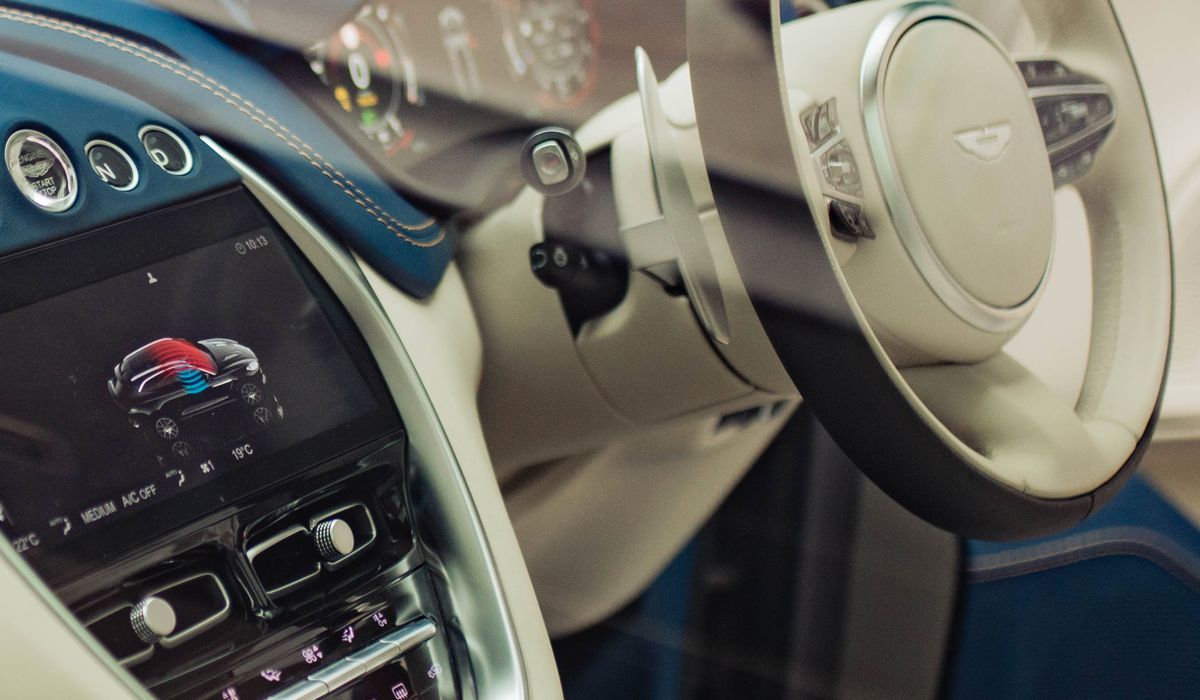
Why British weather is tough on car leather
Leather is a natural material, and it reacts to its surroundings far more than most drivers expect. In the UK we put our seats through a steady cycle of damp autumn mornings, salt-laden winter air, warm humid spells in July and the odd week where the car never quite dries out. That mixture is hard on hide.
Damp air softens and swells the surface, then central heating or a blast of the blower dries it out again, drawing natural oils away from the fibres. Left alone, that cycle leads to shiny patches, fine cracks along the bolsters and stitching that starts to look tired. The good news is that leather is remarkably forgiving if you stay on top of it. Twenty minutes every couple of months, plus a quick response to spills, will keep a cabin looking smart for years.
Deal with spills, mud and damp coats straight away
Speed matters more than products. Anything acidic, salty or greasy left on the surface will work its way into the grain and the seams, and it becomes much harder to lift a day later.
- Blot, never rub. Press a clean microfibre cloth onto the spill and let it draw the liquid up. Rubbing spreads the mark and pushes it into the stitching.
- Use lukewarm water with a drop of pH-neutral leather cleaner on a soft cloth. Warm water opens the grain slightly and lifts residue; hot water can dull the finish.
- For muddy football boots and wet dogs, lay a rubber boot mat or a cheap towel over the seat before anyone climbs in. Prevention beats cleaning every time.
- Skip baby wipes and household surface sprays. Many contain alcohol, solvents or surfactants that strip the protective topcoat and leave a sticky film that attracts more dirt.
- Dry the area with a clean towel and let it finish naturally in the shade. Never use a hairdryer or a heat gun on leather, and don't leave the car with the heater on full blast aimed at a wet seat.
If you have perforated seats, use barely any liquid. Water that pools in the holes travels down into the foam and can encourage mould long before the surface looks dry.
Clean gently, then feed the leather
Cleaning and conditioning are two different jobs, and doing them in the wrong order is the most common mistake. Clean first to remove the grime, then condition to put something back.
Work in small sections with a soft foam applicator or microfibre pad. Use a gentle circular motion on the flat panels, and switch to a soft detailing brush for the seams, perforations and the crease where the side bolster meets the base. Wipe away the lifted dirt with a clean, damp cloth before it dries.
Once the seat is dry to the touch, apply a thin layer of conditioner containing lanolin, beeswax or a similar nourishing agent. Thin is the key word. A heavy coat sits on the surface, feels greasy, attracts dust and can clog perforations. Buff off any excess with a dry microfibre after ten minutes. Little and often works far better than one thick treatment in spring.
Keep damp and mould at bay
Condensation is the quiet enemy of a leather interior. Water vapour in the air settles on cold surfaces, and a car that sits outside overnight in a British winter collects plenty of it.
- Run the air conditioning regularly, even in winter. It dehumidifies the cabin as it warms it, which is exactly what you want.
- Leave a couple of reusable silica gel sachets under the seats or in the door pockets, and refresh them in a warm oven or on a radiator every few weeks.
- Air the car out on dry days. Open both front doors for ten minutes and let the moisture escape rather than locking it in.
- Never store a wet umbrella, damp gym kit or soggy coat on a leather seat. The moisture transfers straight into the hide and the foam beneath it.
- If you spot a faint musty smell or a dusty white bloom, wipe the area with a cloth dampened with a diluted white vinegar solution, dry it thoroughly, then condition. Treat it early, because mould that reaches the padding is very difficult to remove.
Protect the surface from sun and everyday wear
UV light fades colour, dries the surface and speeds up cracking, and a car parked on a south-facing driveway takes a beating even in a cloudy summer. A windscreen sunshade is cheap and effective, and choosing a shaded spot or parking nose-away from the afternoon sun makes a real difference over a few years.
Think about where the leather takes the most punishment. The driver's side bolster and the outer edge of the seat base copes with every entry and exit, so it dries and cracks first. A leather-friendly seat cover for the school run or the dog-walking months is not glamorous, but it protects the panel that is most expensive to repair.
Finally, be careful with the products you already own. Hand sanitiser, sunscreen and insect repellent all contain solvents that can mark a leather finish, so wipe your hands before you get in. Fasten seatbelts over clothing rather than dragging them across the bolster, and keep a small kit in the boot: a microfibre cloth, a bottle of pH-neutral cleaner, a conditioner and a soft brush. If you catch problems early, a few minutes of attention keeps leather looking supple and smart through every British season.






John Doe
14 January, 2022Having no content in post should have adverse..
Chauffina Carr
10 April, 2022We use these tests all time! Killer stuff!
Jim Séchen
16 July, 2022Thanks for all the comments, everyone!