

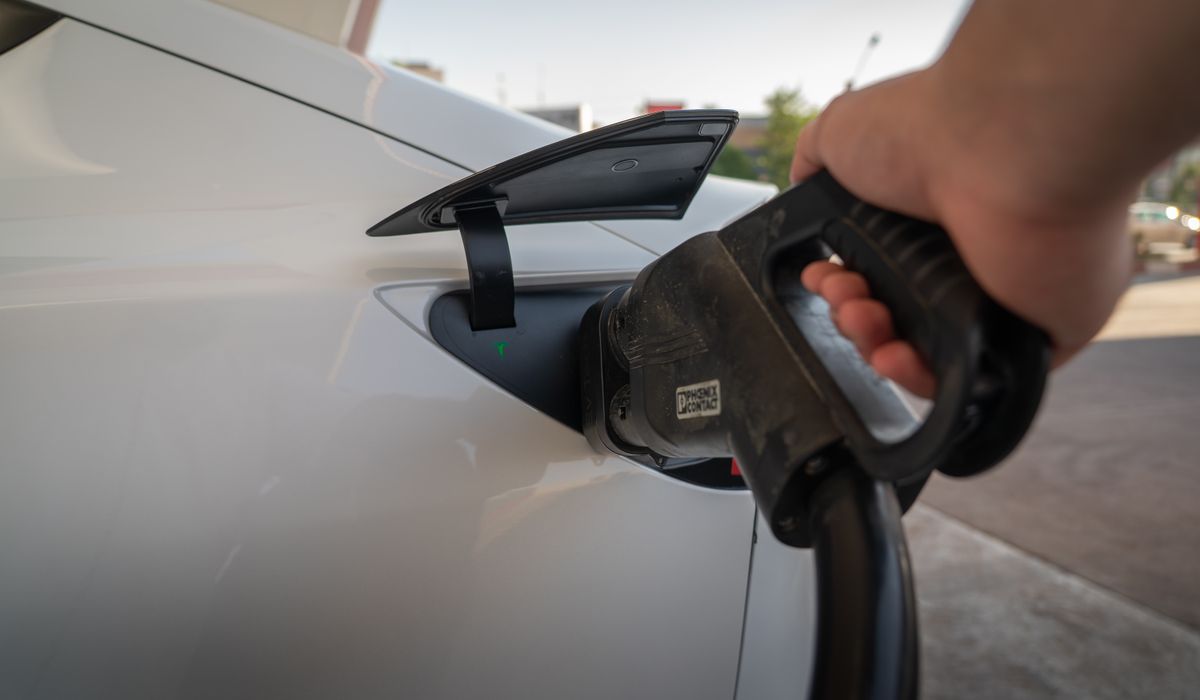
Know your car's real-world range before you trust a map
The figure on the brochure is a laboratory number, not a promise. A car quoted at 280 miles might comfortably do 240 in mild weather on a mixed route, and closer to 180 on a cold motorway run with the heater on. Before you plan a long trip, spend a couple of weeks noting what your own car actually achieves. The trip computer's average consumption figure, usually shown in miles per kWh, is the most honest guide you have.
Several factors quietly eat into range, and they stack up:
- Speed. Cruising at 70mph uses noticeably more energy than 60mph. On a long run, slowing slightly can add real miles between stops.
- Temperature. Cold weather reduces battery performance and adds heating demand. Expect a 20–30% penalty in winter, perhaps 10–15% in summer with air conditioning running.
- Load and drag. A roof box, a bike rack, four adults and a boot full of luggage all take their toll. Rain and headwinds matter more than most drivers expect.
- Terrain. Long climbs in hilly country drain the battery quickly, though you recover some energy on the way down through regenerative braking.
A sensible planning habit is to assume you will get roughly 80% of your typical real-world figure, then treat anything above that as a bonus.
Map your charging stops with a margin built in
Route-planning apps and your car's own navigation can suggest stops, but treat their suggestions as a starting point rather than gospel. Aim to arrive at each charger with 10–20% remaining, never with single digits. If a charger is occupied, out of order or blocked by a parked van, that buffer is what gets you to the next one rather than leaving you stranded on a hard shoulder.
Charging speed matters as much as charger location. Most electric cars charge fastest between roughly 20% and 80%; beyond that, the rate tapers sharply and you can spend half an hour chasing the last few percent. On a long journey, two shorter stops will usually beat one long one. Look for rapid chargers of 50kW or more at motorway services, and ultra-rapid units of 150kW and above if your car can accept that speed.
Check the connector type your car uses and confirm the charger matches. Most modern cars in the UK use a CCS connector for rapid charging, but it is worth knowing your own setup before you rely on it.
Prepare for delays, queues and the unexpected
The single biggest cause of a stressful electric road trip is a charger that does not work when you reach it. Plan for it.
- Identify a backup charger 20–30 miles further along your route before you set off, and note its location and speed.
- Check live availability in your charging app as you approach. If a site shows several units out of service, divert early rather than gamble.
- Allow extra time. A journey that takes four hours in a petrol car may take five in an electric one once charging is included. Build that into your plans, especially if you have a ferry, train or appointment to catch.
- Carry a charging cable for slower public points, plus a Type 2 cable if your car does not include one, and a three-pin emergency cable if you have one.
- Keep a contactless card or phone payment ready. Most rapid chargers accept contactless payment, but having a backup method saves fiddling in the rain.
If you are setting off from London without a driveway, charge to full the night before using a lamp-post or bay charger near home. Starting at 100% from your own street is far cheaper and calmer than hunting for a rapid charger on the edge of the M25.
Look after the car before a long run
A few checks before you leave make a genuine difference. Inflate your tyres to the recommended pressure for a loaded car, since under-inflated tyres increase rolling resistance and cut range. Clear out unnecessary weight. If your car supports it, use preconditioning while still plugged in: warming or cooling the cabin and battery on mains power means less energy drawn from the battery once you set off, and faster charging when you stop.
Check your screen wash, lights and wipers as you would for any long journey. And if your car has a scheduled service due, book it before the trip rather than after.
Make the stops work for you
Charging stops of 20 to 30 minutes are not wasted time. They are a natural break, and planning them around a decent services, a coffee or a short walk turns a chore into part of the trip. Pair your charging with a meal or a leg stretch and the journey feels far less interrupted.
Above all, be kind to yourself about pace. Electric road trips reward a relaxed, slightly slower approach. Plan your stops, keep a margin in reserve, and you will arrive with charge to spare and far less to worry about.




John Doe
14 January, 2022Having no content in post should have adverse..
Chauffina Carr
10 April, 2022We use these tests all time! Killer stuff!
Jim Séchen
16 July, 2022Thanks for all the comments, everyone!